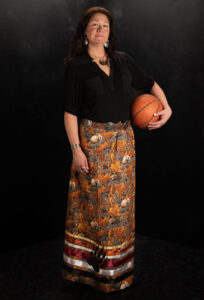
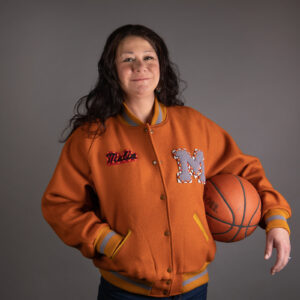
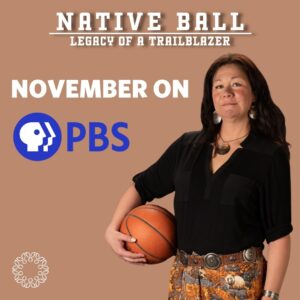
Barbara “Malia” Kipp is a proud member of the Blackfeet Nation whose life and career have been defined by perseverance, leadership, and a commitment to opening doors for others.
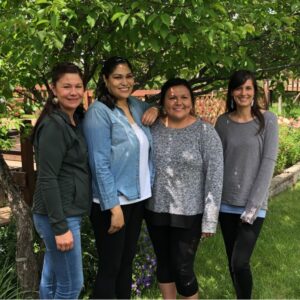
Born in Browning, Montana, and raised on the Blackfeet Reservation, Malia grew up surrounded by family, culture, and the freedom of the Montana outdoors. Whether riding bikes, swimming, ice skating, Native dancing, or playing basketball with cousins and neighborhood friends, she developed the competitive spirit and resilience that would shape her future.
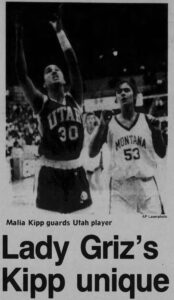
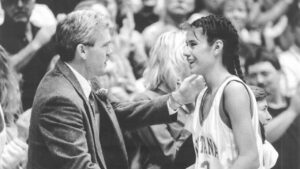
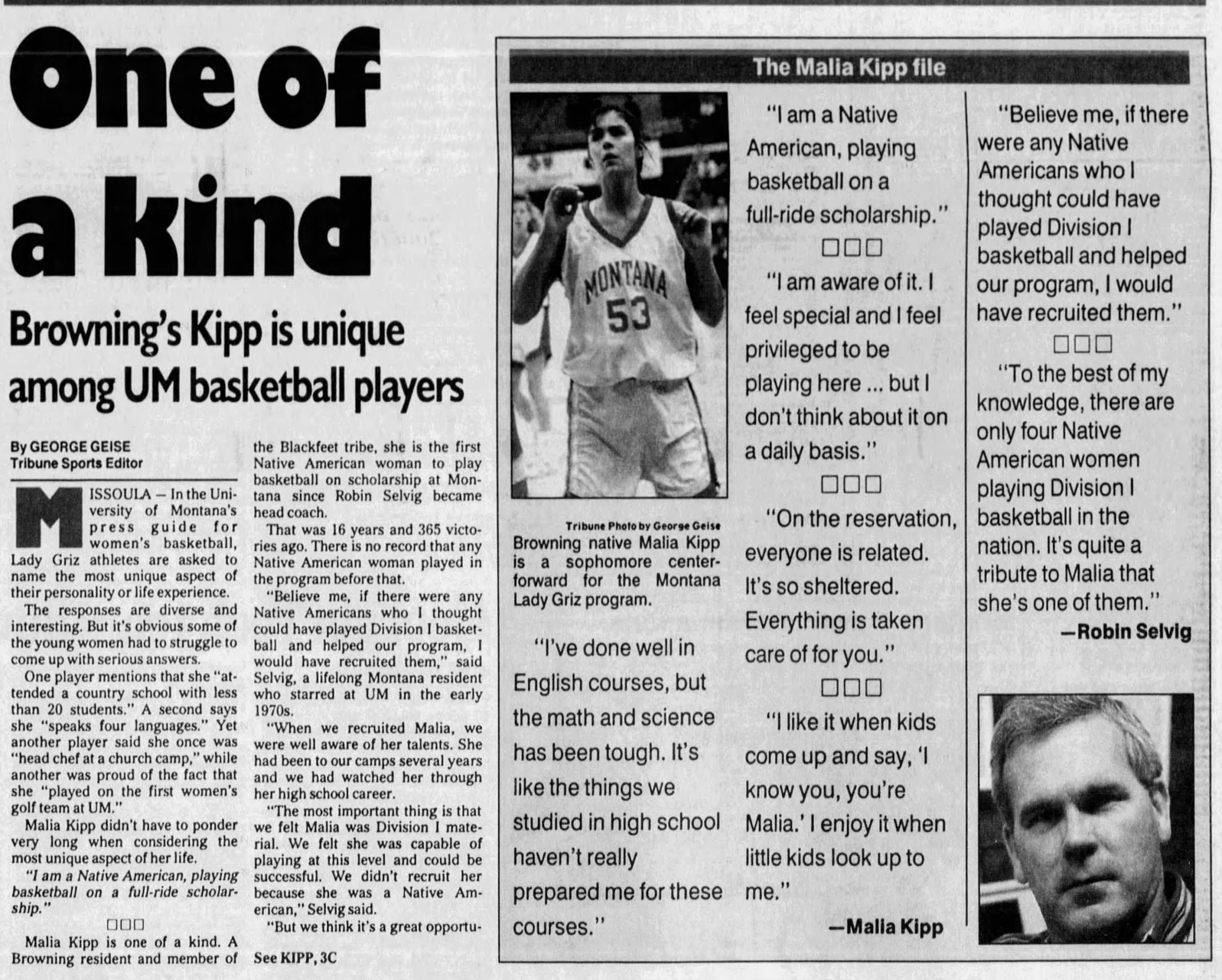
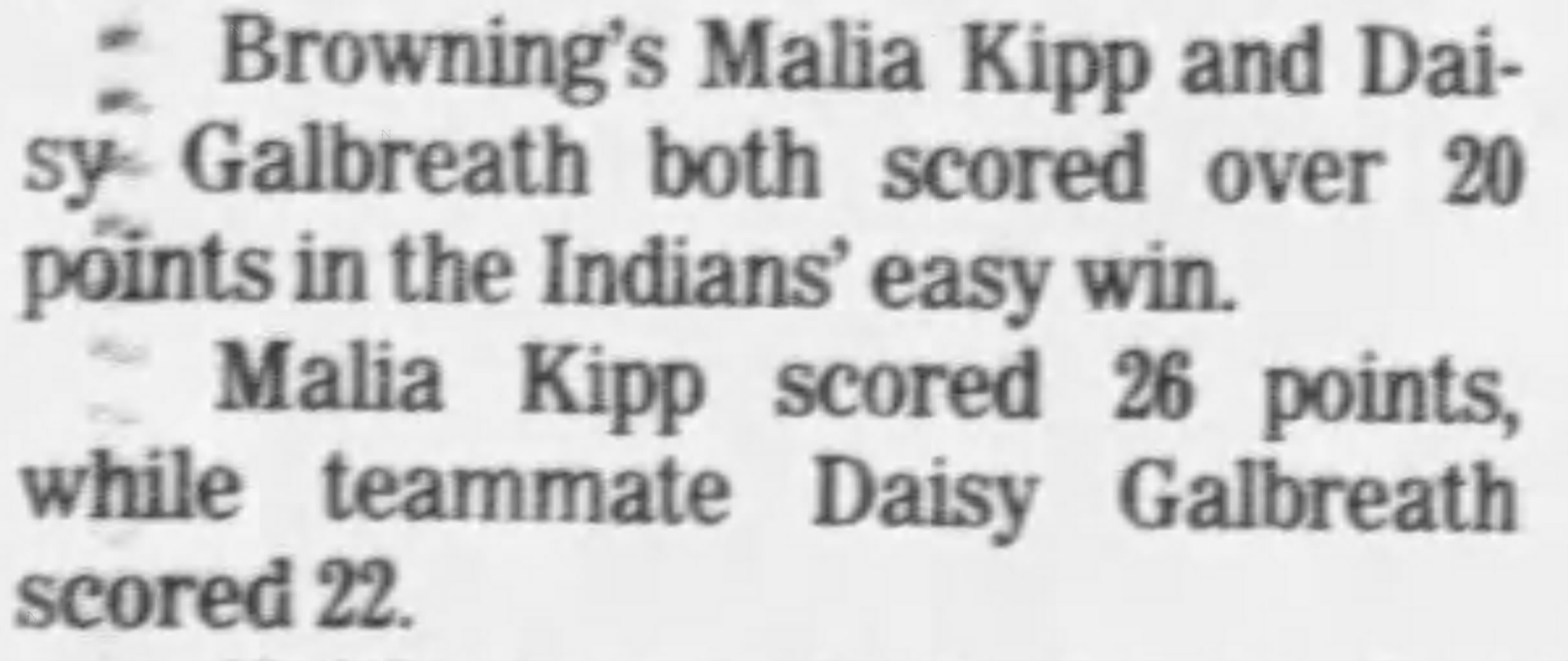
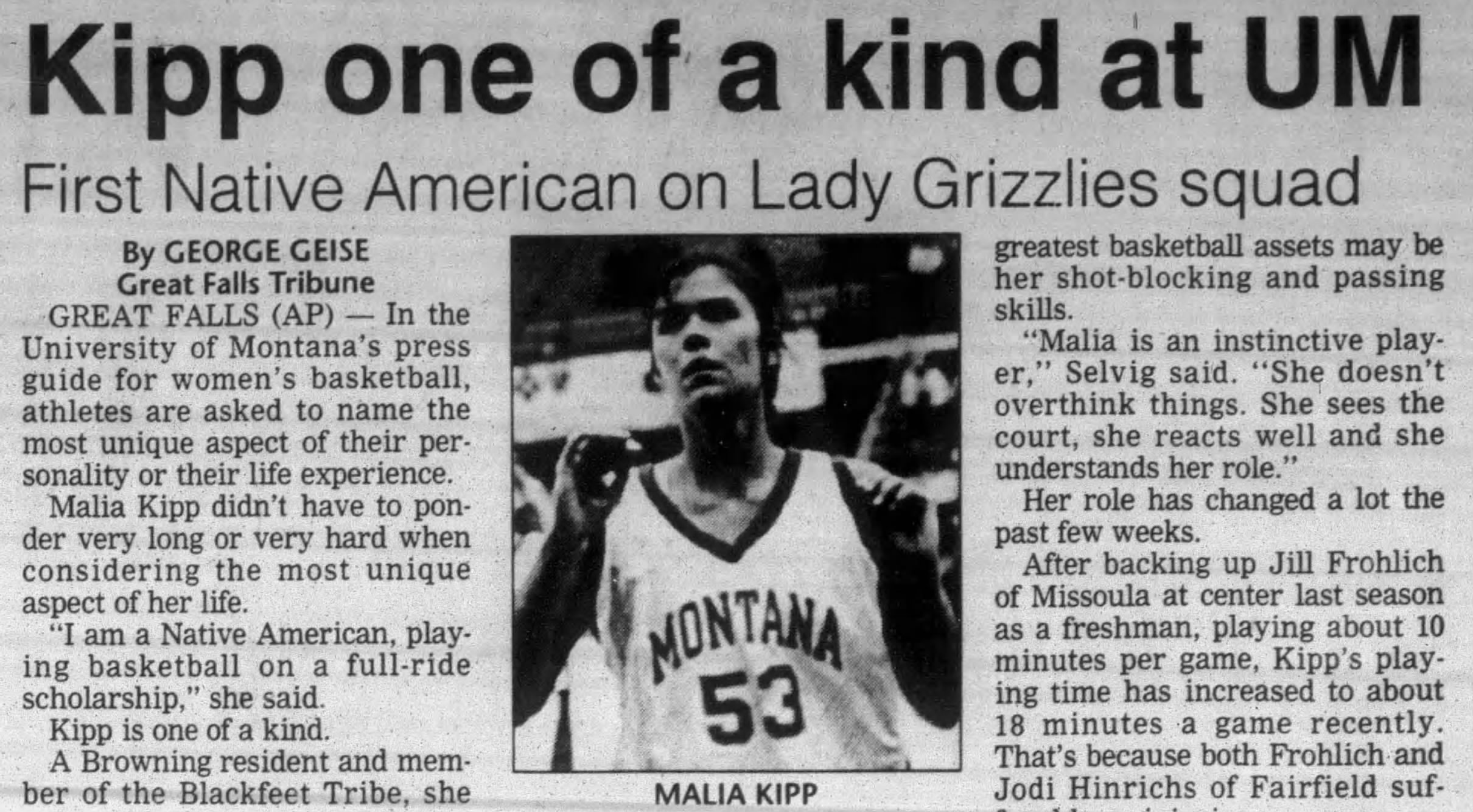
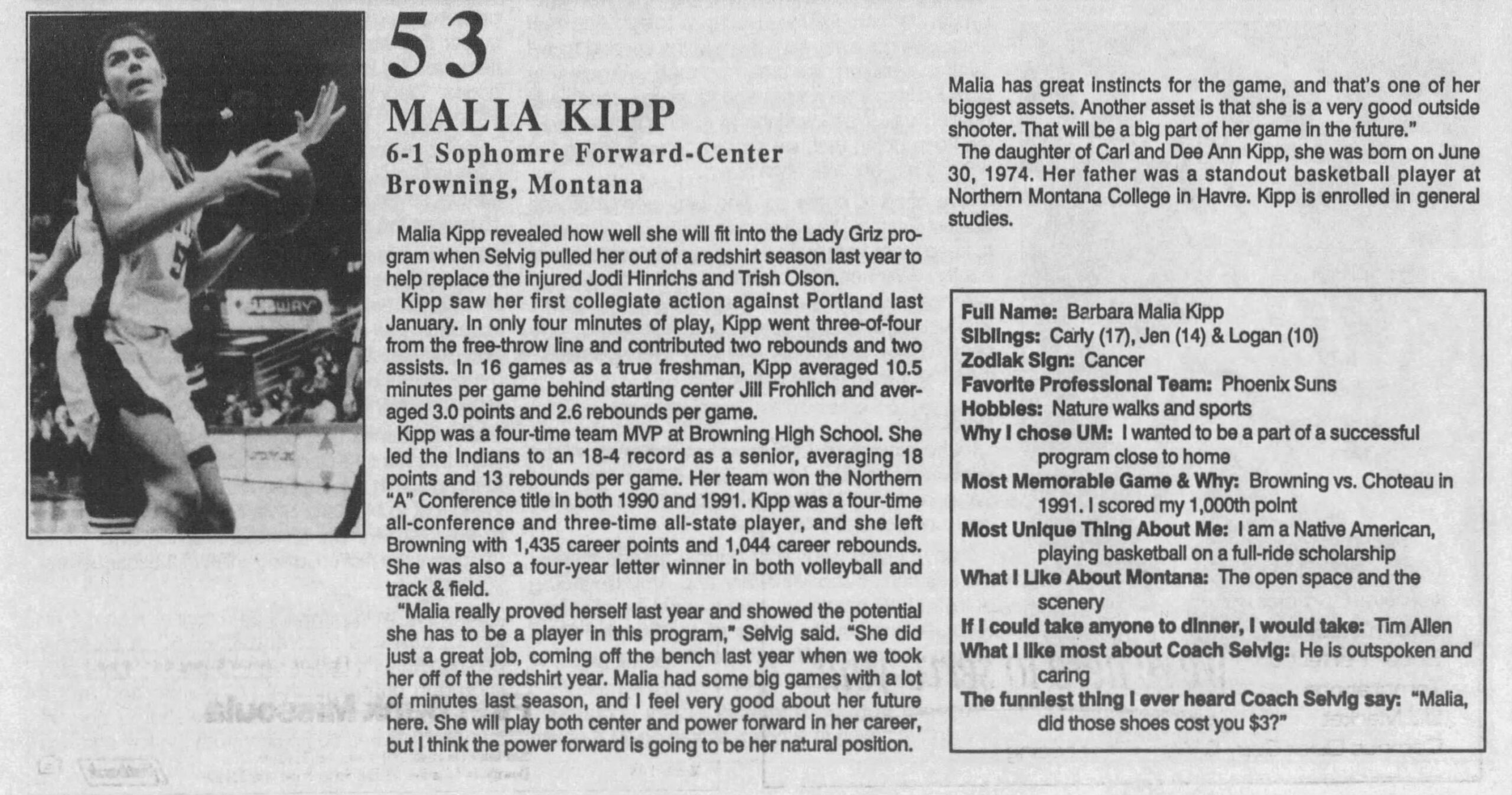
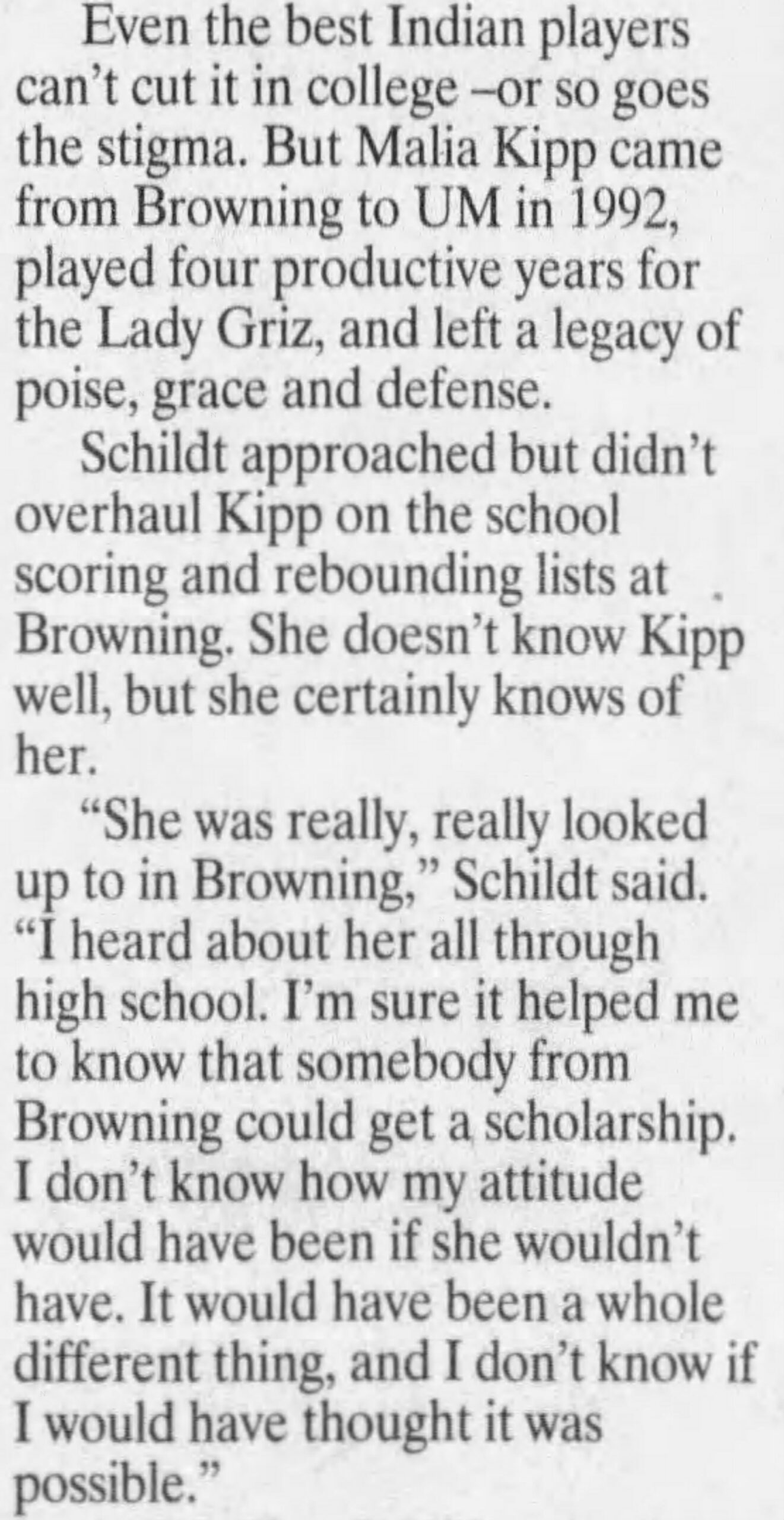
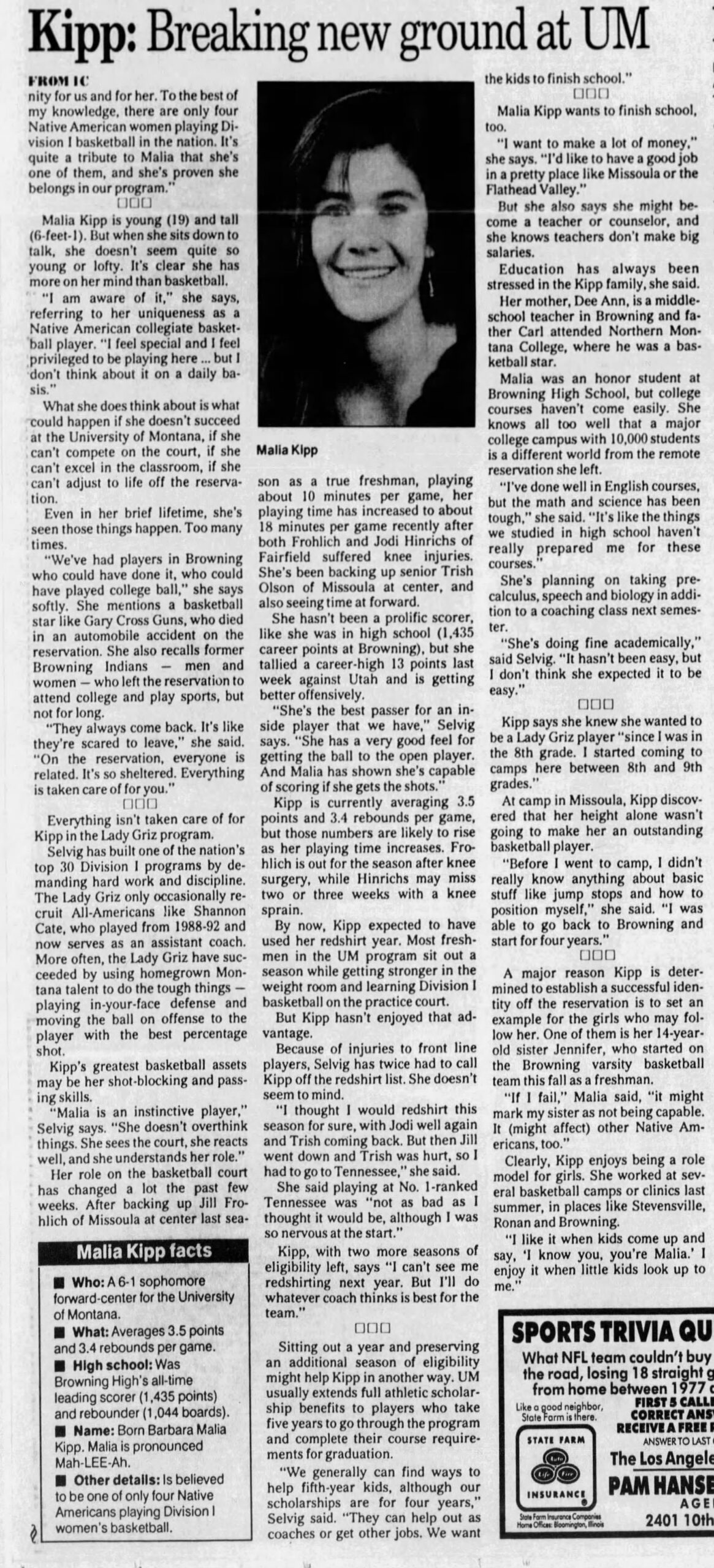
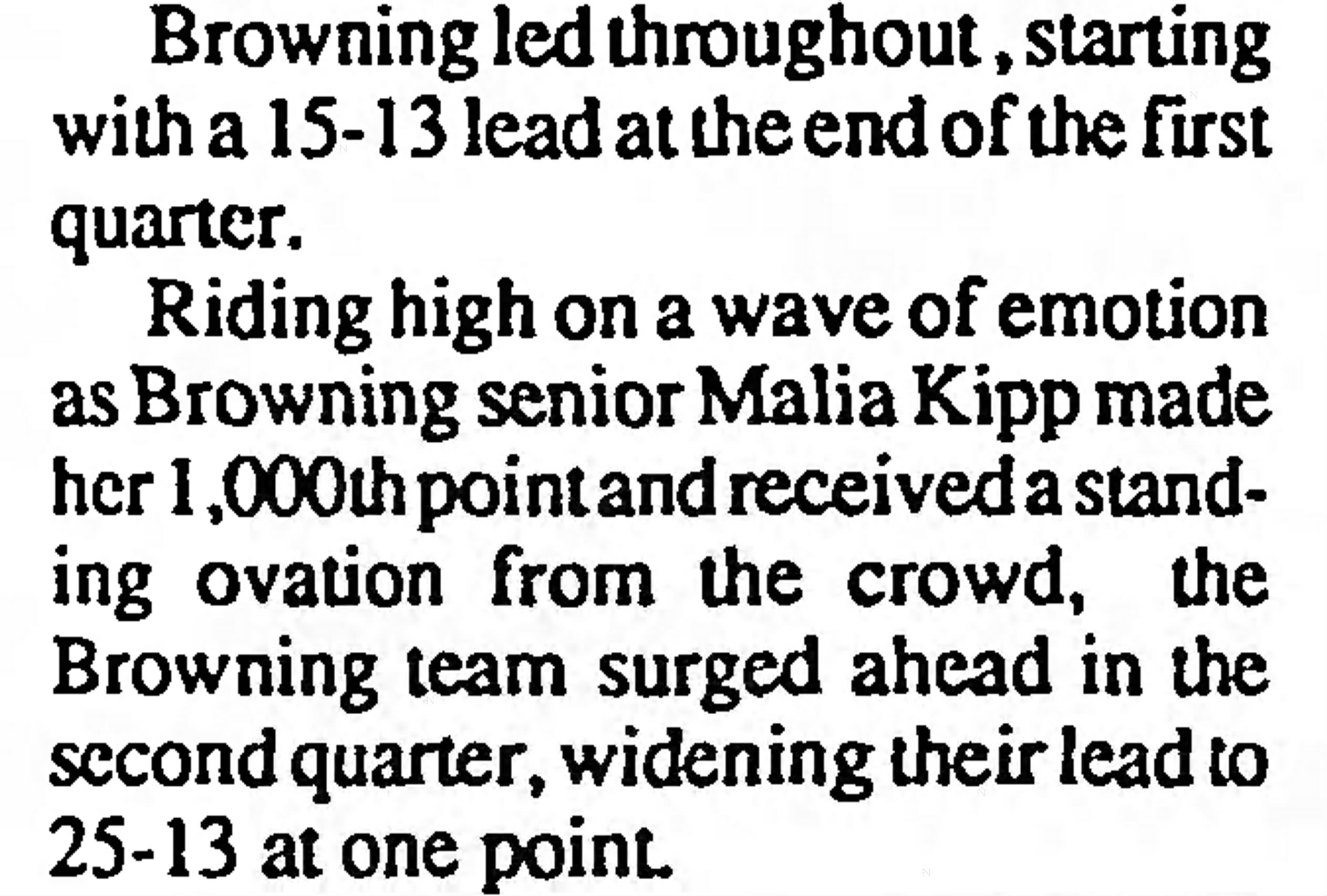
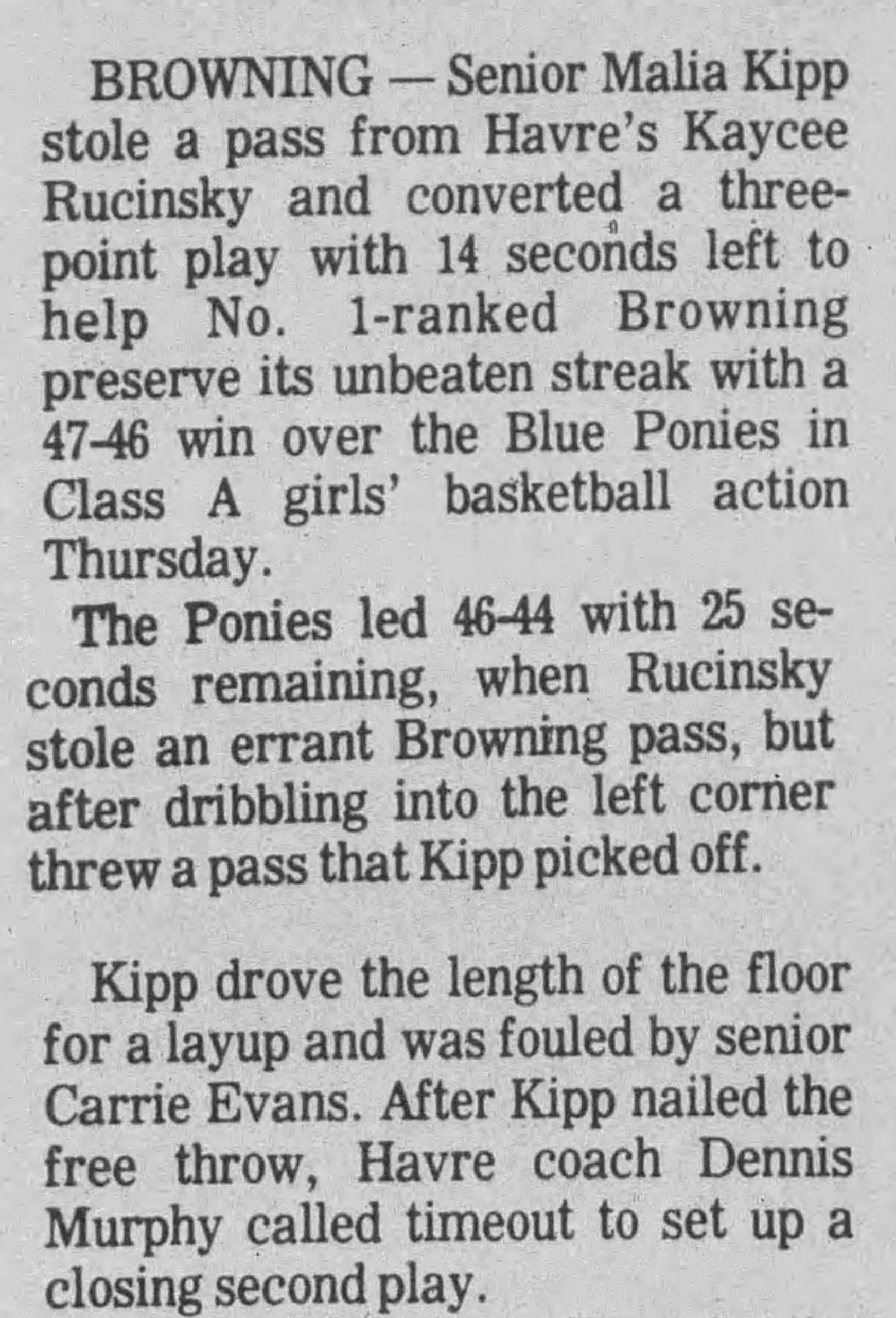
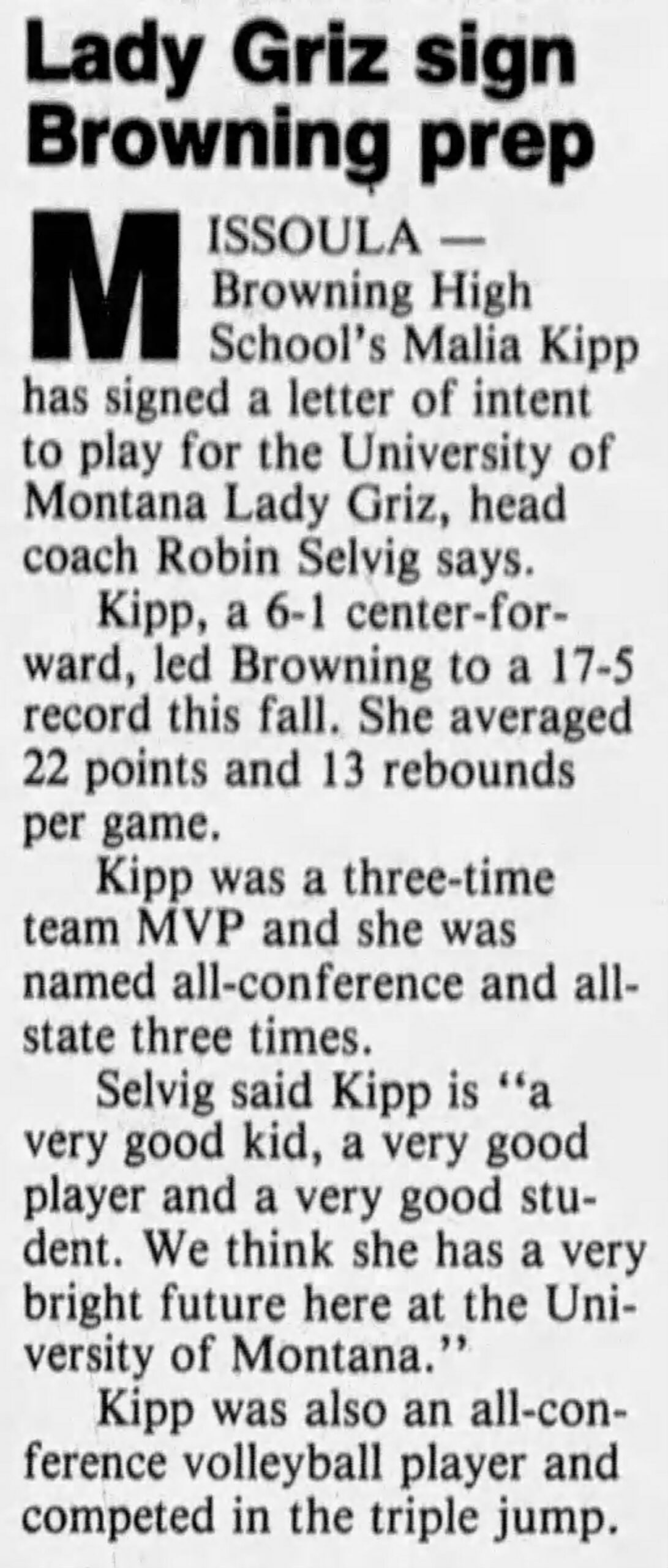
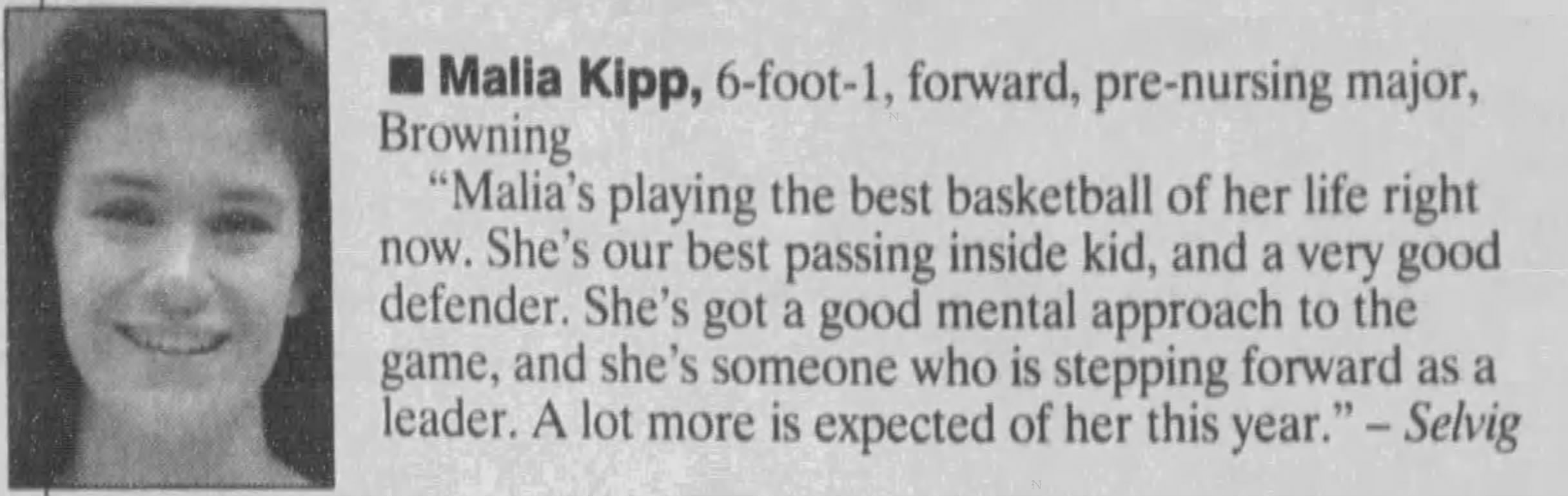
A standout multi-sport athlete at Browning High School, Malia graduated with honors in 1992 after lettering in three sports all four years and setting athletic records that remain unmatched today. That same year, she made history as the first Native American woman from Montana to earn a Division I basketball scholarship, accepting an offer from legendary Lady Griz coach Robin Selvig at the University of Montana.
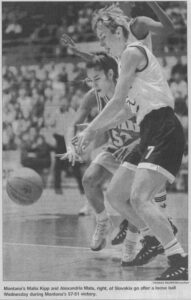
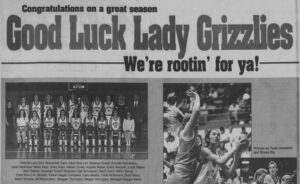
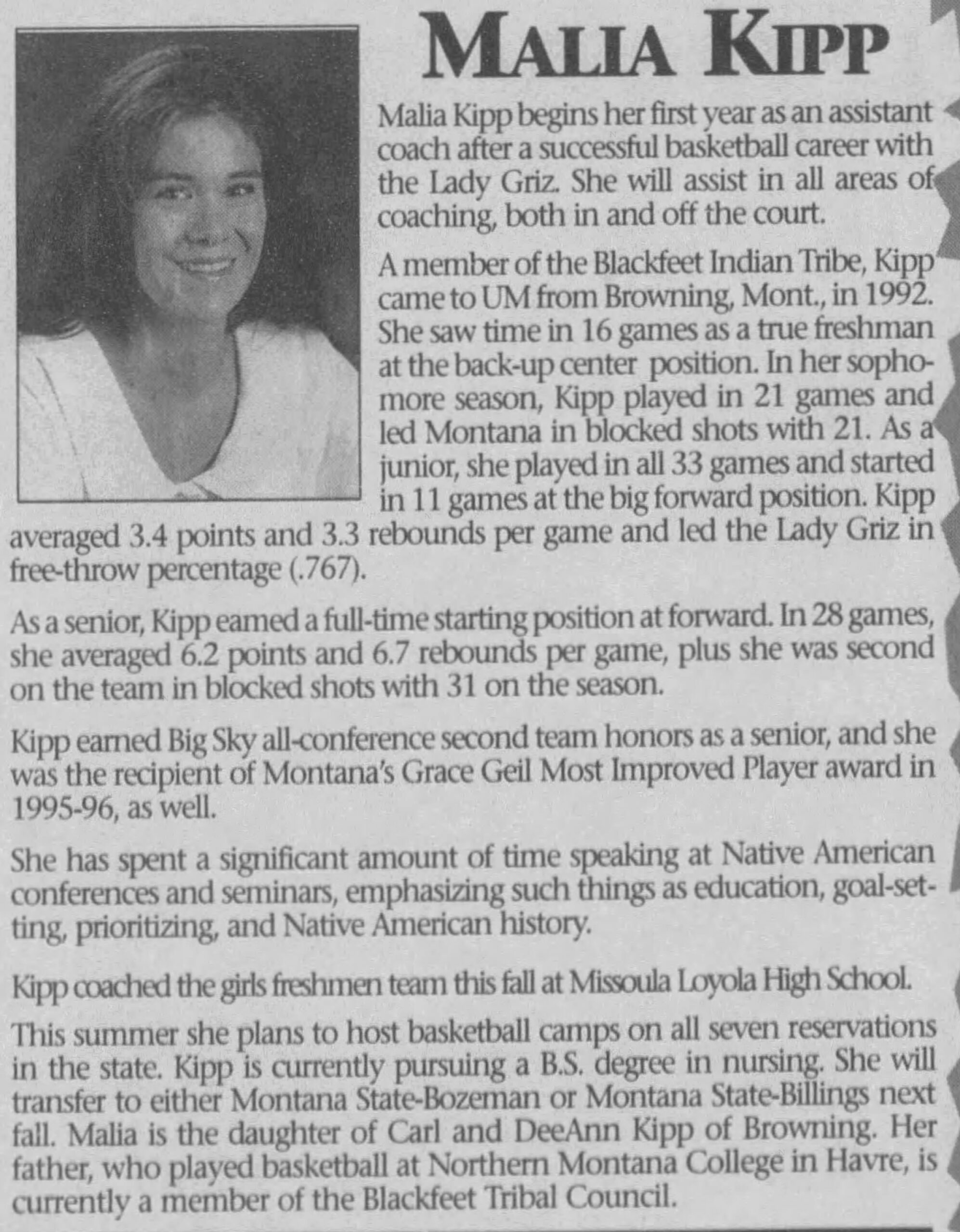
As a member of the nationally recognized Lady Griz program from 1992–1996, Malia helped lead her team to four Big Sky Conference Championships and three NCAA Tournament appearances. Playing before sold-out crowds in Missoula and competing internationally in Europe, she became part of one of the most celebrated eras in Montana athletics.
“No one said life would be easy. Know that it will be worth it”
– Grandma Kipp
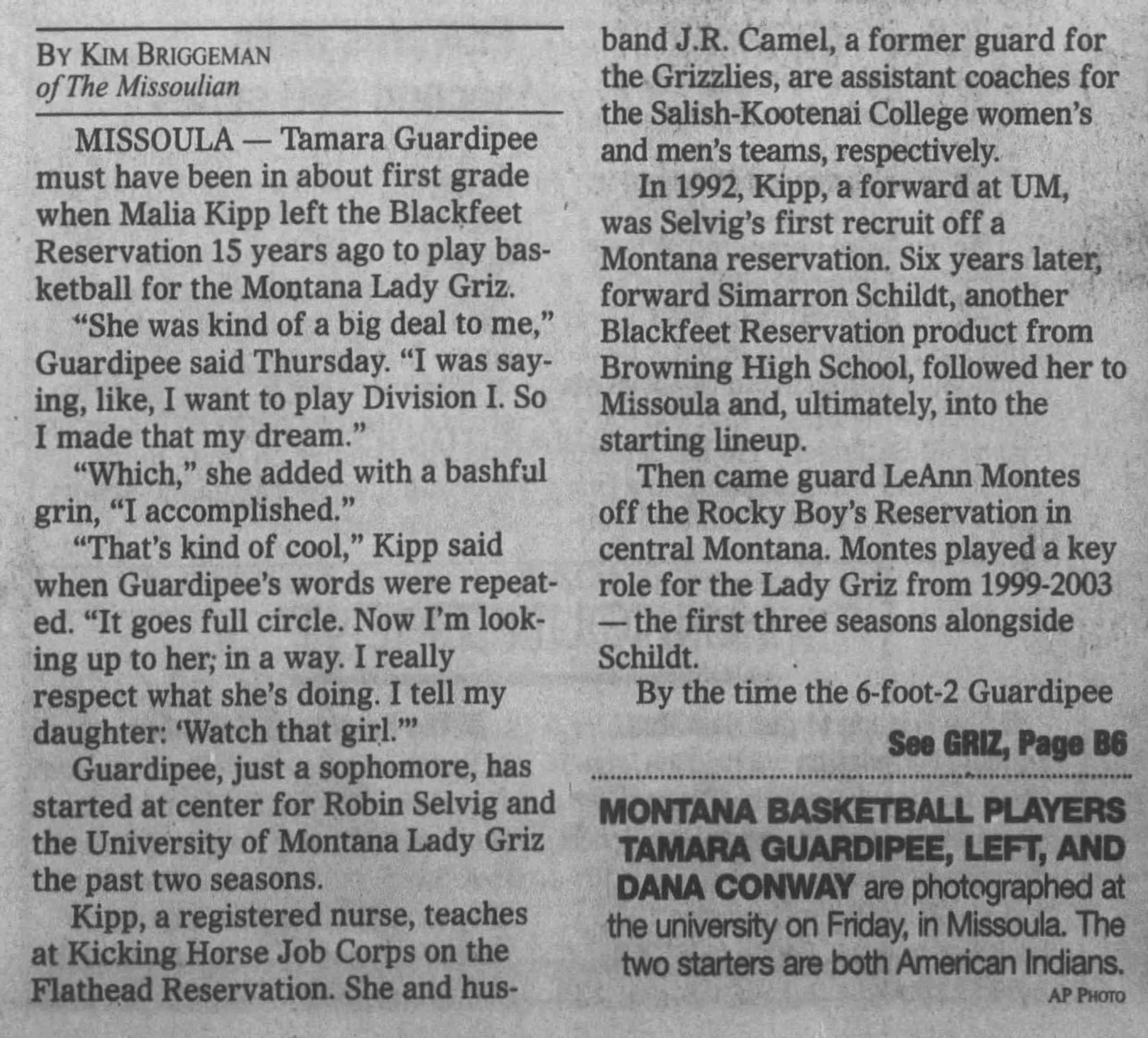
Her journey was about more than basketball. At a time when opportunities for Native American women in Division I athletics were rare, Malia carried the hopes of her community while navigating the challenges of living between two worlds. In 1992, among thousands of Division I women’s basketball scholarships awarded nationwide, she was the only Native American recipient.
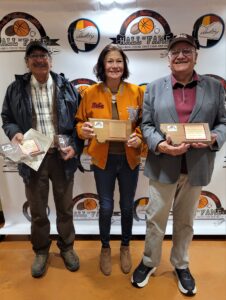
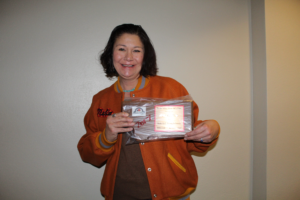
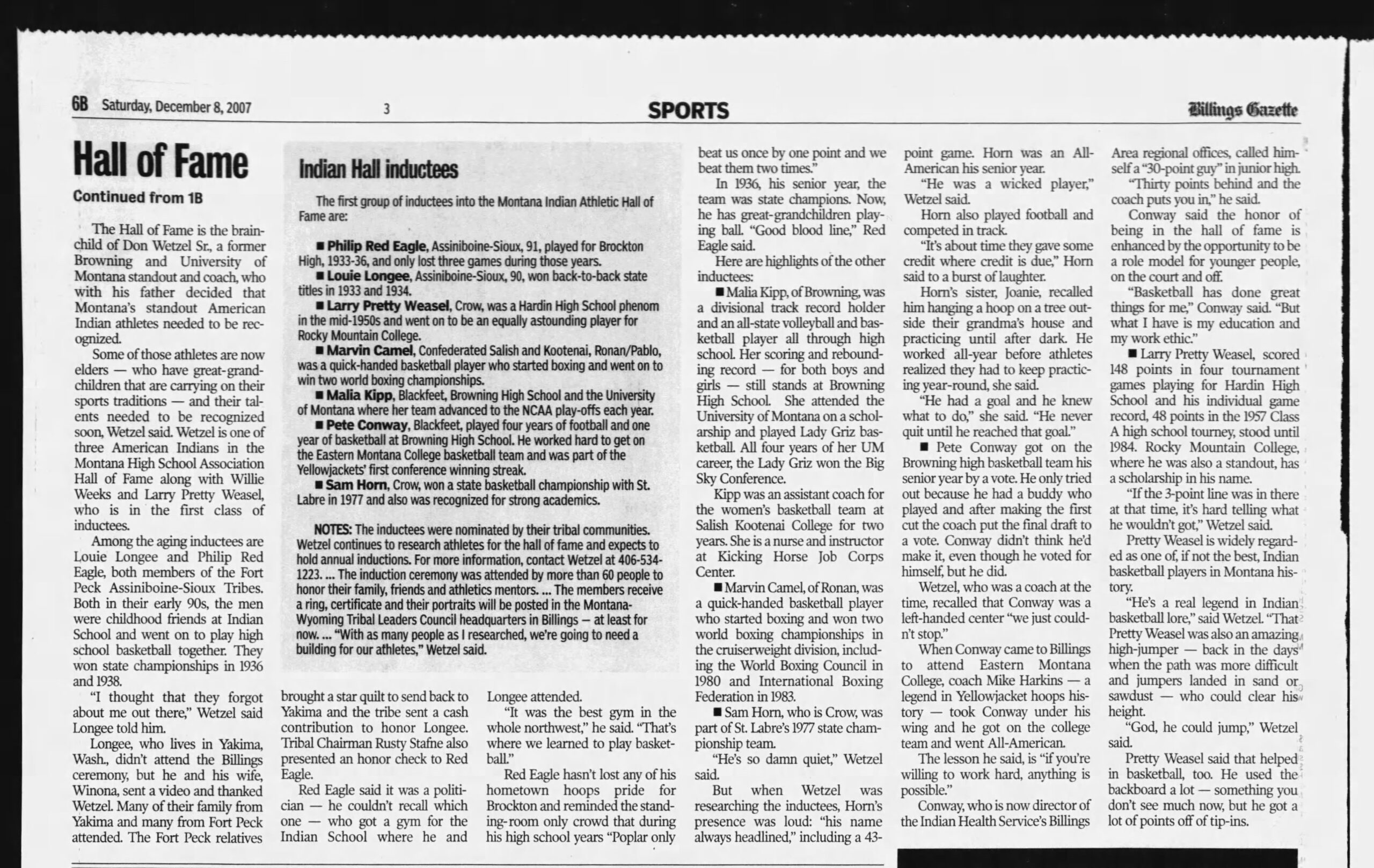
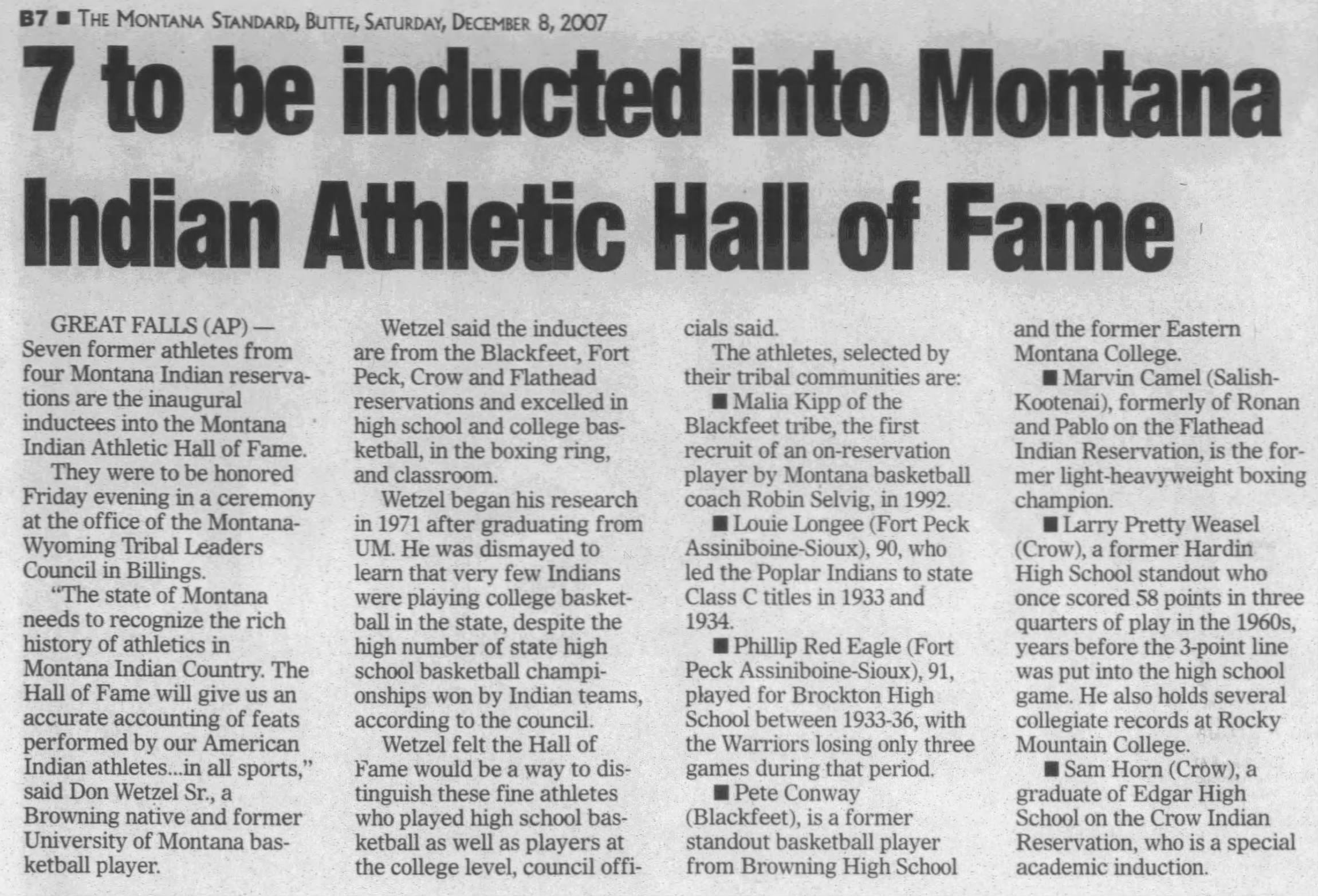
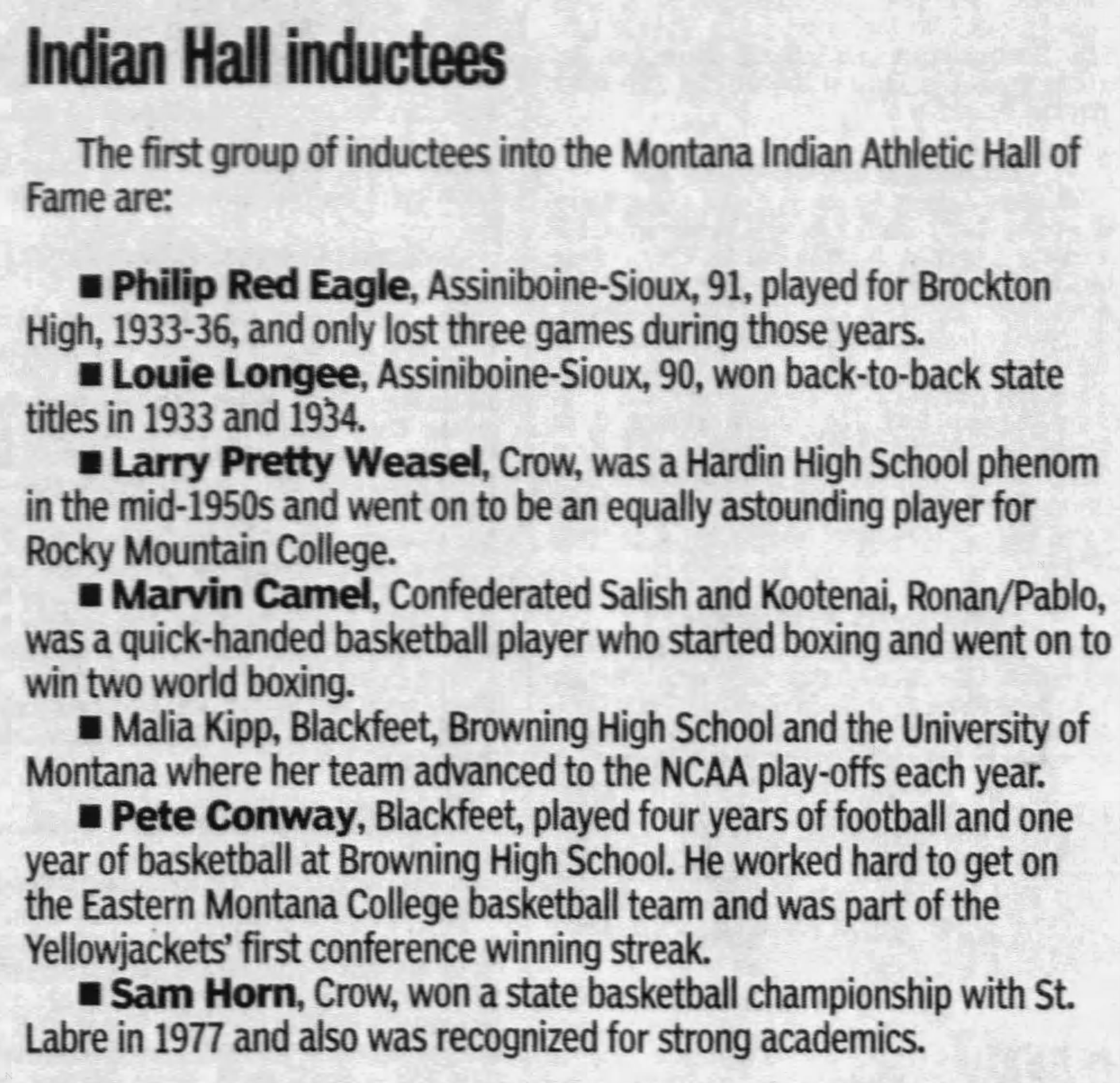
Her impact extended far beyond the court. In 2007, Malia was inducted into the Montana Indian Athletic Hall of Fame as its first female inductee, recognizing both her athletic achievements and her role as a pioneer for future generations of Indigenous athletes.
One of the most memorable moments of her career came on Senior Night at the University of Montana. Blackfeet leader Earl Old Person and the Raw Hide Singers were granted special permission to honor Malia before a packed arena. As the crowd stood in silence, Earl described her as a warrior—someone who carried the responsibility of representing Native people with strength, dignity, and pride.
Today, Malia’s story continues to inspire others to pursue excellence, honor their identity, and lead with courage. Guided by the wisdom of her grandmother, she lives by a simple but powerful truth:
“No one said life would be easy. Know that it will be worth it.”